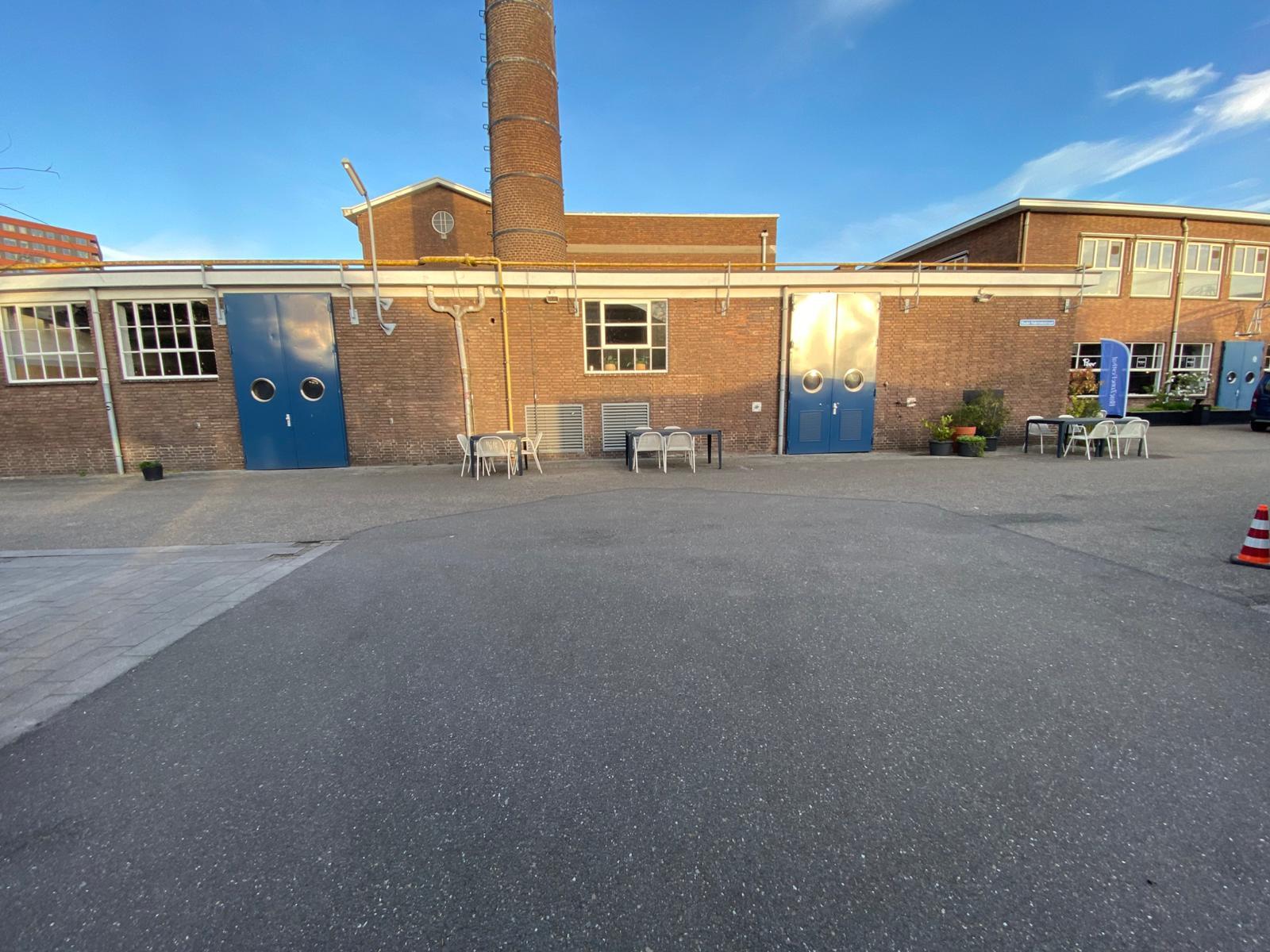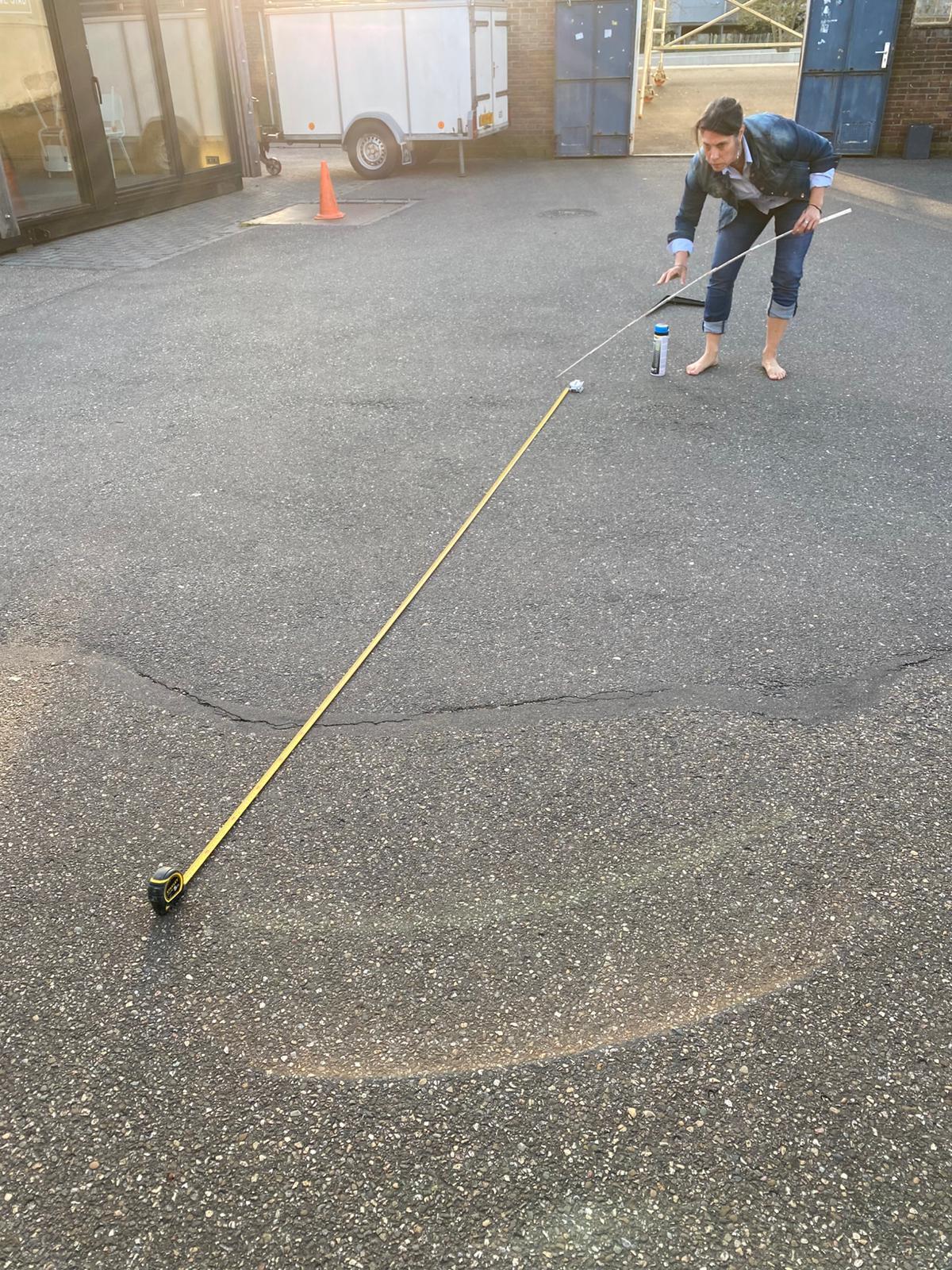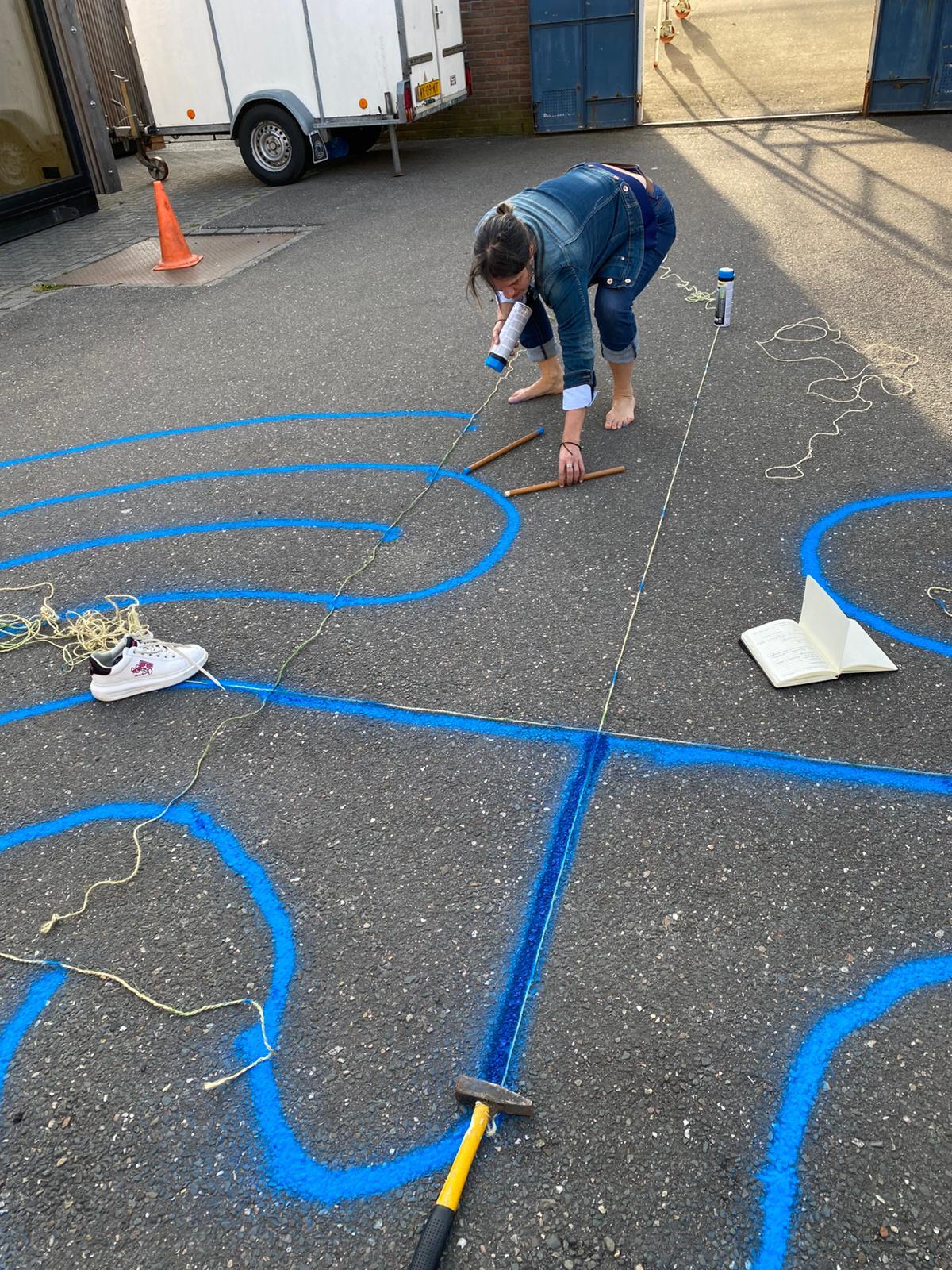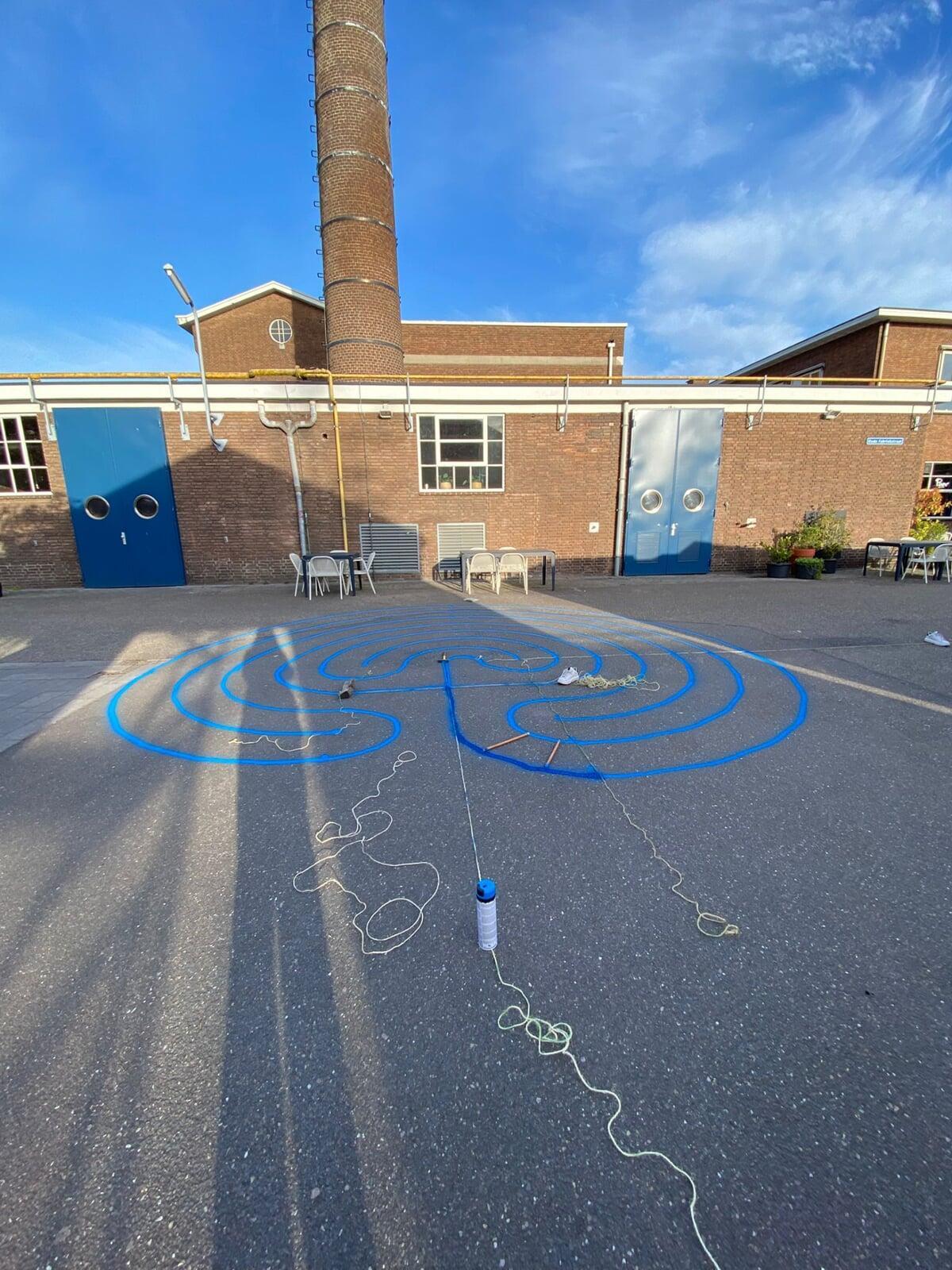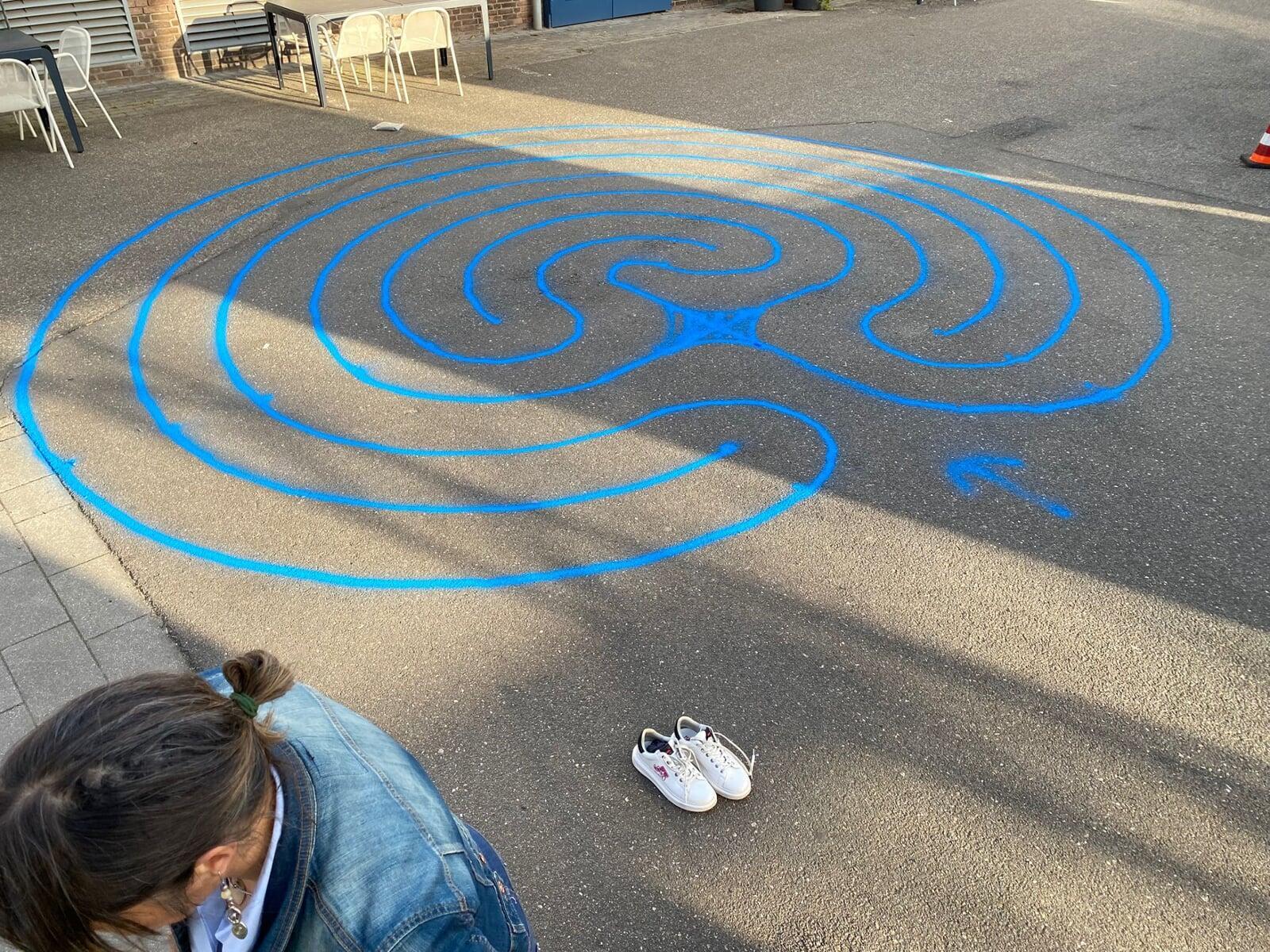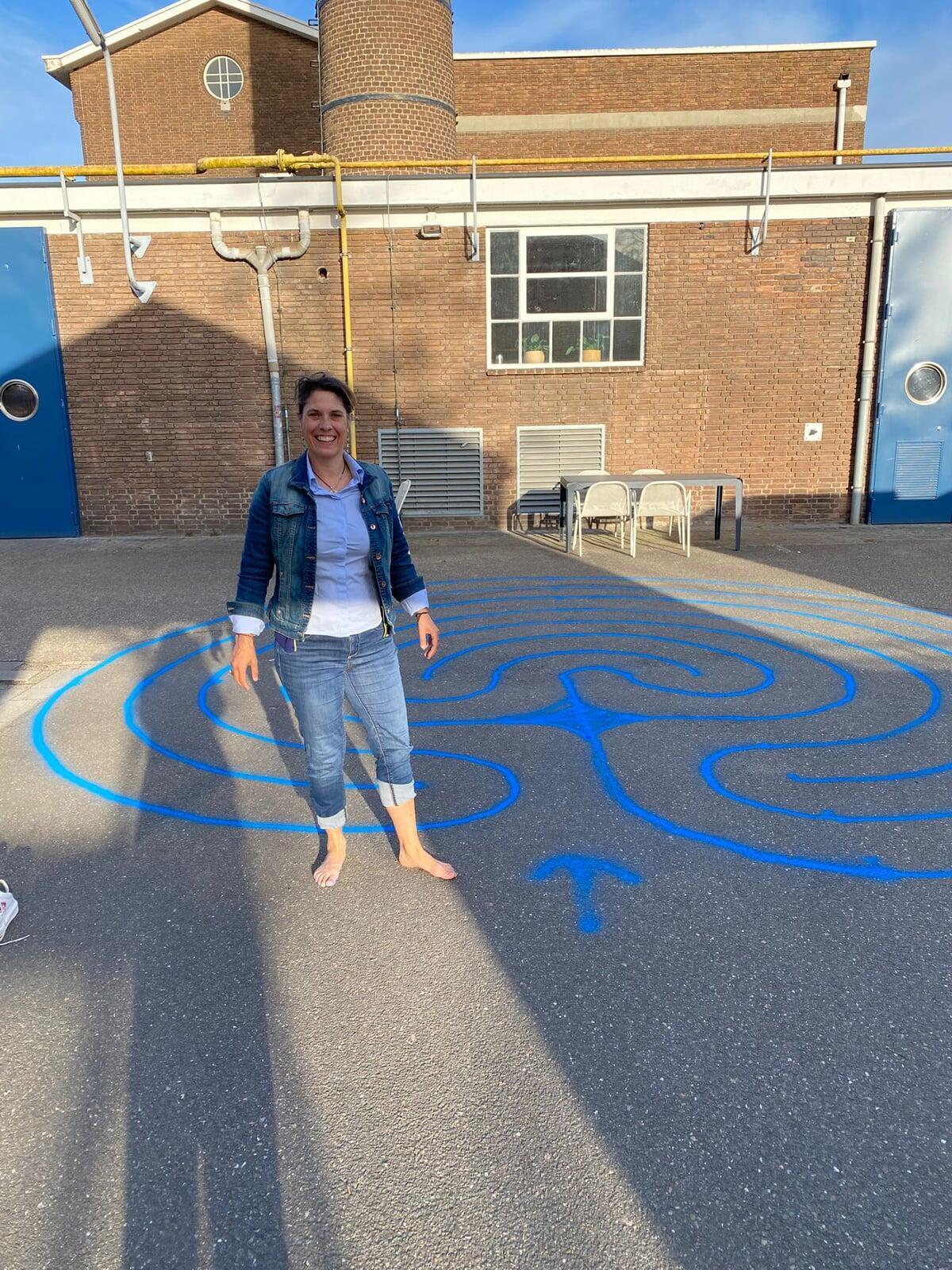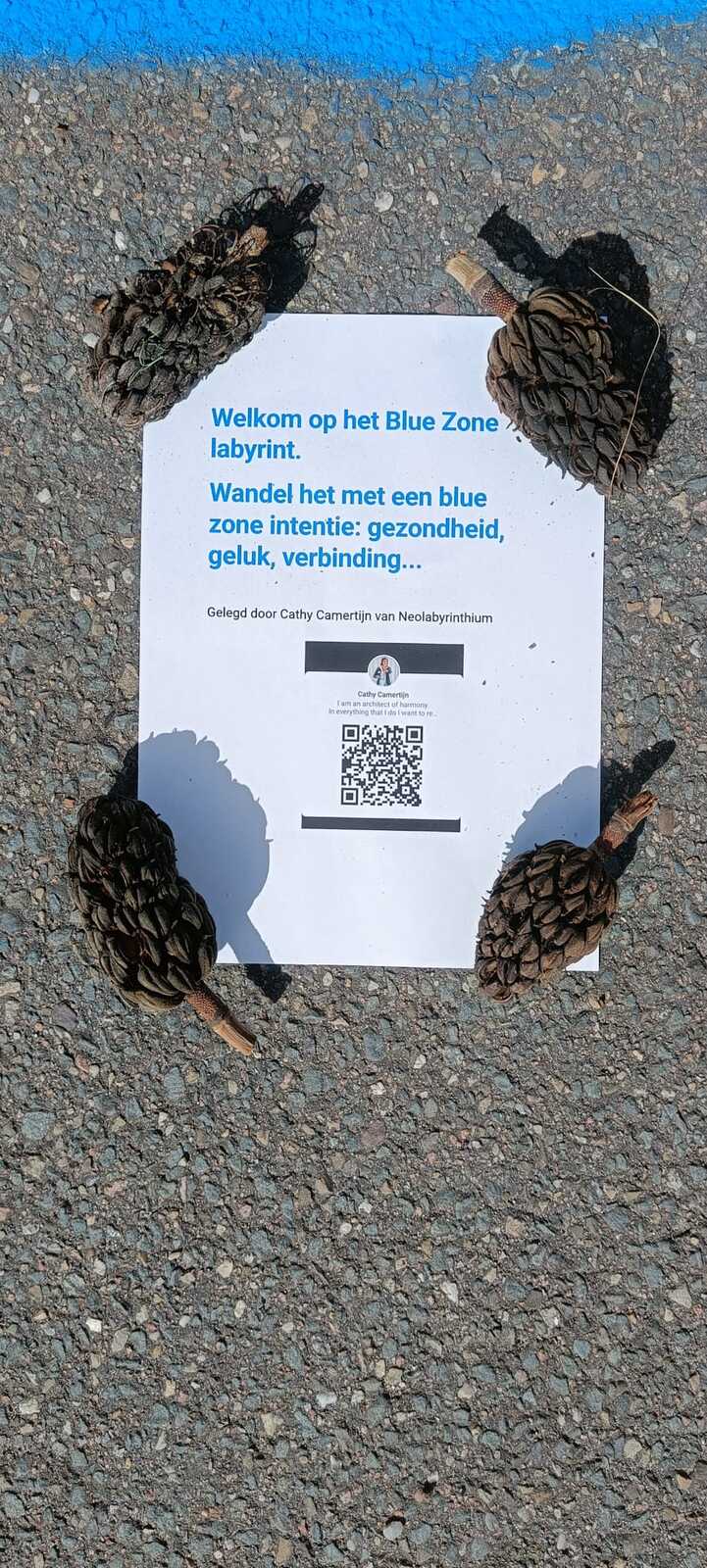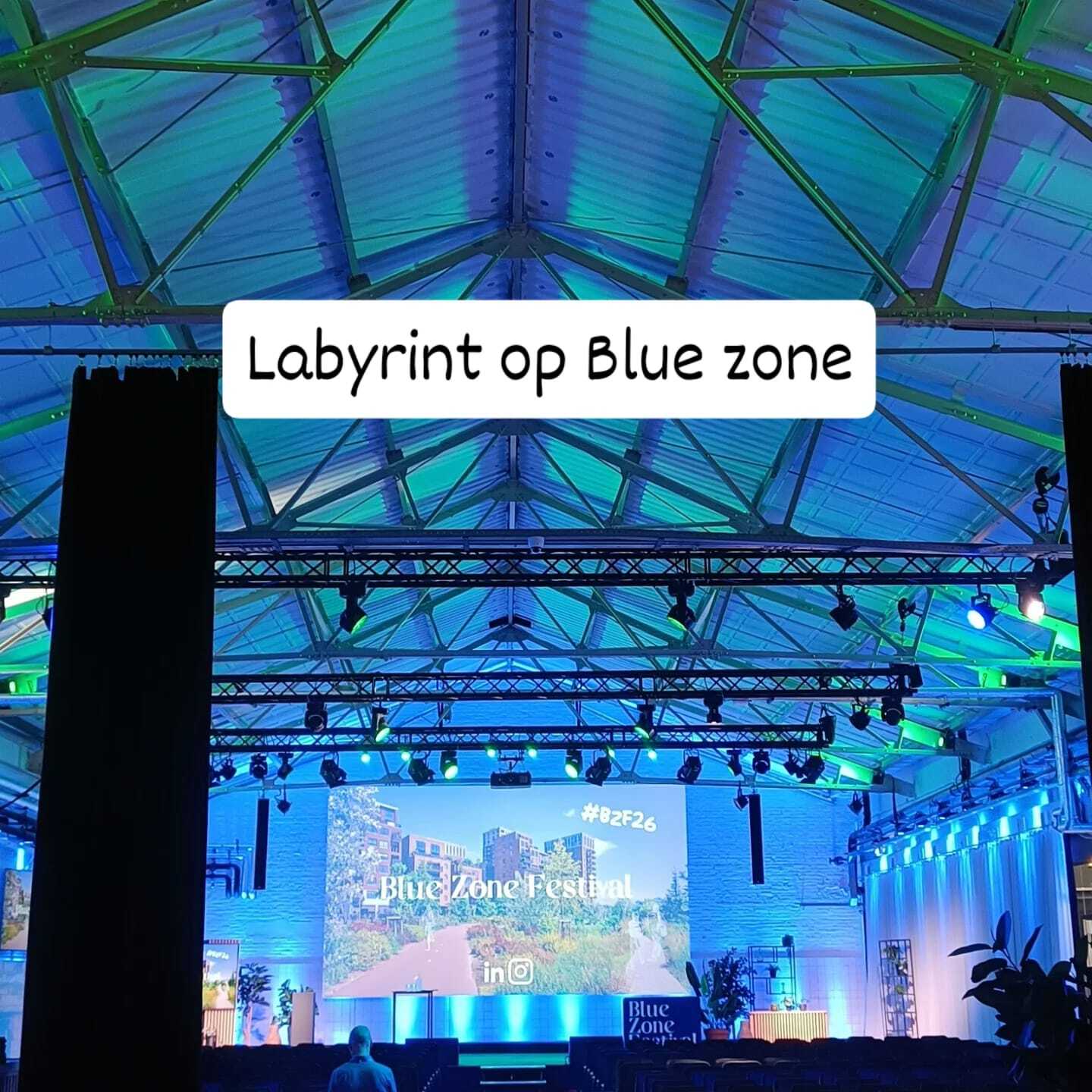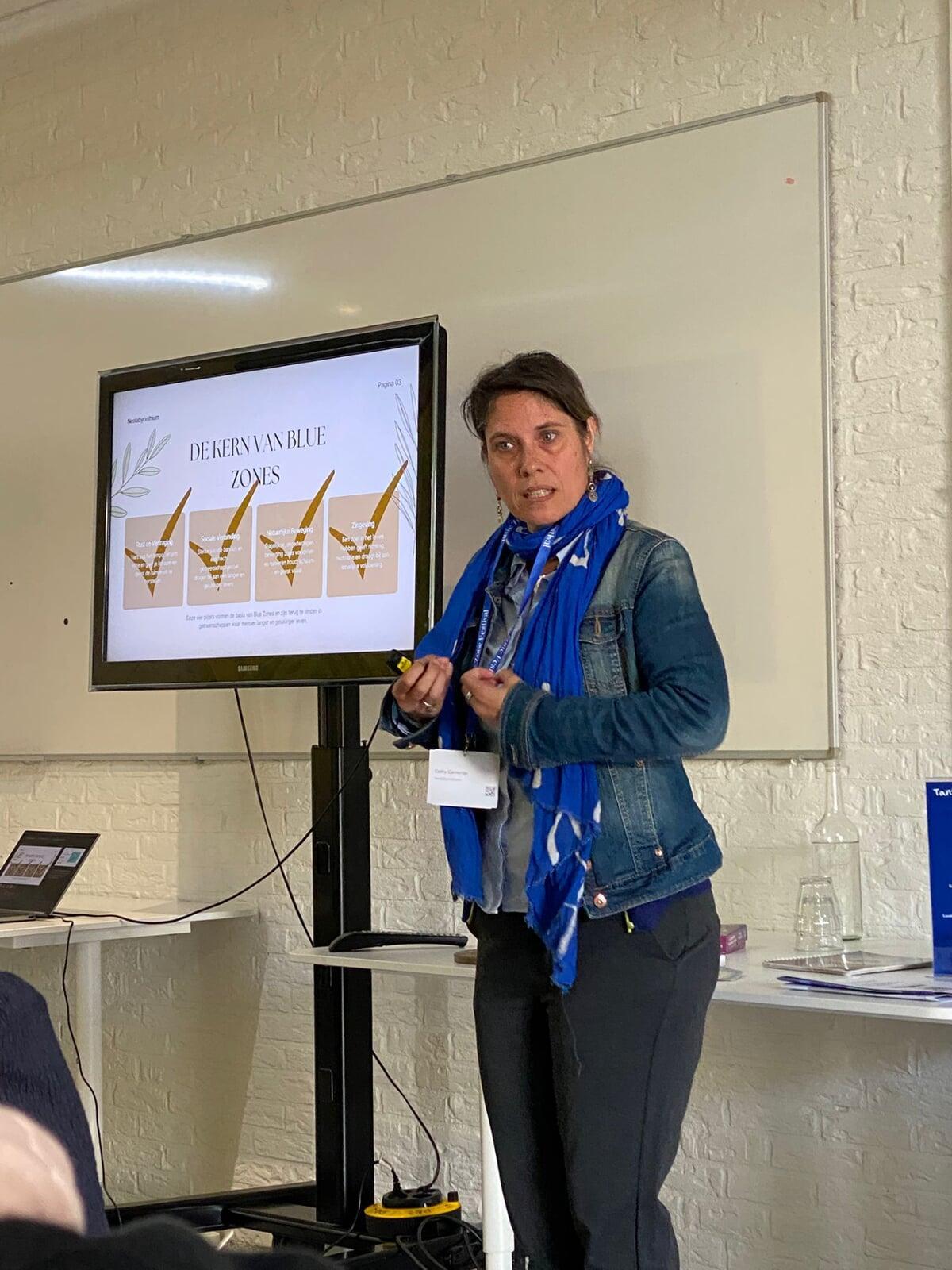
Presenting the labyrinth at the Blue zone festival in Amersfoort 2026
Yesterday I had the honor of presenting the concept of the labyrinth as a practical example of a Blue Zone solution. First let me elaborate on what are Blue Zones.
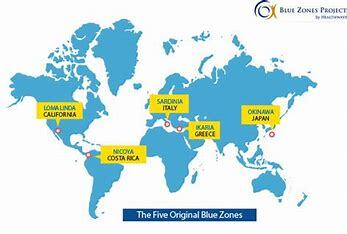
Blue Zones
Blue Zones are regions around the world where people live longer than 100 years, enjoying happiness and good health. Questions naturally emerge: "What is the secret to this phenomenon, and what can we learn from these places?" The concept of Blue Zones was developed by Michel Poulin, a Belgian, who founded the Living Blue Zone organization. The core principles of a Blue Zone include:
1. Moving naturally
2. Eating mindfully
3. Managing stress effectively
4. Maintaining strong family bonds
5. Building robust community connections
6. Respecting the environment
Labyrinths are blue zones of their own
In my inspiration session, I explained what labyrinths are, how they are used, and where they have been used in the past. But I also shared the present reality of labyrinths in the Netherlands, where you can find labyrinths in some of the big cities, such as Amsterdam, Utrecht, and many others. Did you know that the Netherlands has around 65–70 labyrinths? They are built in schools, parks, healthcare institutes, recreation parks, and many more. The link between labyrinths and blue zones is very close.
1. They are places of stress relief and emotional balance.
2. They are places of connection and community.
3. They are places of meaning.
4. They are places of natural movement.
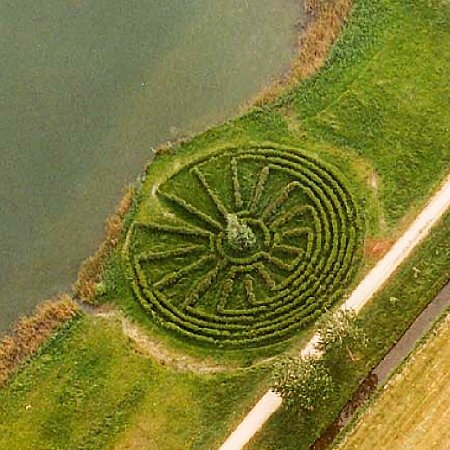
On our way to Amerfoort, we stopped at a very special labyrinth in IJsselstein, made of willows and in the form of a Man in the Maze, Indian Labyrinth. Personally, this was a form I have never walked before—only in the finger labyrinth form. It was very special, beautiful, and a hidden labyrinth with a very nice creation story. This is what I love about labyrinths: they all have their story. Do you have a labyrinth story? I really want to know it.